
Living with Parkinson's: Support at Home in Derbyshire & Notts
Parkinson's symptoms like tremors, stiffness, and movement freezing require sensitive, timely care. Maintaining medication schedules and unhurried daily support helps you preserve independence at home.

Living with Parkinson's: Daily Routine Tips
Every person’s experience of Parkinson’s is unique. A helpful routine provides structure and security while allowing flexibility around symptoms, energy levels, medication 'on/off' timings, and personal preferences.
Five Daily Routine Tips
Schedule important activities when your medication is working well and you have more energy.
Build short rest periods into your day to manage fatigue and maintain your energy.
Break activities into smaller, manageable steps to make everyday tasks easier and more achievable.
Keep to your prescribed medication times to help manage symptoms and support daily wellbeing.
Be prepared to adjust your routine as symptoms, energy levels, and daily needs change.
Practical Guidance for Everyday Routines
1. Starting the Day
Mornings can be slower due to nocturnal medication wearing off and joint stiffness.
- Allow generous extra time for waking and getting out of bed safely.
- Keep bedroom items within safe reach and maintain clear routes.
- Provide medication support promptly at prescribed morning times.
- Encourage unhurried movement to prevent morning dizziness.
2. Personal Care & Dressing
Buttons, zips, and grooming can be frustrating when fine motor control is affected.
- Lay out clothing and toiletries in advance to reduce rush.
- Encourage independence with adaptive clothing (elastic waists, velcro).
- Ensure bathroom routes are brightly lit with non-slip flooring.
- Support safe transfers in and out of the shower using grab rails.
3. Meals, Drinks & Hydration
Eating can become tiring and dysphagia (swallowing difficulties) can occur in Parkinson's.
- Allow plenty of time for calm, unhurried mealtimes.
- Encourage a balanced, fibre-rich diet and adequate fluid intake.
- Support upright seating posture during and after eating.
- Report coughing, throat clearing, or weight changes promptly.
4. Movement & Prescribed Activity
Regular gentle activity maintains muscle length, joint flexibility, and balance.
- Encourage everyday movement suited to individual ability and energy.
- Prompt exercises prescribed by your physiotherapist.
- Break physical activities into short, manageable intervals.
- Never introduce unassessed exercises outside the Care Plan.
5. Fatigue & Energy Management
Parkinson’s fatigue affects physical stamina and mental concentration.
- Spread activities across the day rather than rushing tasks together.
- Avoid pushing through severe exhaustion; build in scheduled rests.
- Maintain enjoyable social hobbies and meaningful conversations.
- Keep a simple fatigue diary to identify symptom patterns.
6. Freezing Management
Freezing episodes (feeling feet glued to the floor) can suddenly increase fall risks.
- Encourage the person to pause, breathe, and regain balance.
- Give time and space to think about stepping rather than rushing.
- Use visual lines or rhythmic counting strategies taught by your PT.
- Never pull or physically force someone forward during a freeze.
7. Afternoon & Evening Routine
Balancing relaxation with gentle evening structure to prepare for restful sleep.
- Balance activity with rest after medical appointments or outings.
- Keep dinner, fluids, and evening medication strictly on schedule.
- Ensure living areas are well illuminated as daylight fades.
- Prepare bedtime items before the person becomes overly tired.
8. Preparing for Bedtime
Night-time safety and comfort are vital for restorative sleep.
- Keep the route from bed to bathroom completely clear and lit (nightlight).
- Place water, call bell, glasses, and essentials within easy reach.
- Ensure walking aids are positioned safely right beside the bed.
- Overnight care available for turning and safe night-time bathroom visits.
Managing Movement Freezing & Evening Fatigue
With the right encouragement, visual cues, and unhurried support, individuals living with Parkinson's can safely manage transitions, navigate tight doorways, and enjoy restful evenings.


Daily Routine Checklist
Use our interactive 12-point conversation checklist below with your family and care workers to establish a comfortable, unhurried daily schedule.
Living with Parkinson's: Daily Routine Checklist
Use this checklist as a practical conversation tool with your family and care team (not a clinical assessment).
When to Ask for Professional Clinical Advice
Recognising symptom changes early ensures medication and care plans are adjusted promptly by your GP, Parkinson's specialist nurse, or neurologist.

🚨 Key Symptom Indicators
- New or worsening falls, stumbling, or near-miss trips.
- Significant change in walking, posture, balance, or ability to transfer from chairs.
- New, longer, or more frequent movement freezing episodes.
- New dizziness, lightheadedness on standing, fainting, or marked changes in alertness.
- Problems taking Parkinson’s medication as prescribed, or concerns about side effects.
- New swallowing difficulties, coughing during meals, or unexplained weight loss.
- Persistent constipation, urinary changes, or marked changes in mood or sleep patterns.

How Prime Years Care Agency Can Help
PYCA provides practical, person-centred support that helps someone living with Parkinson’s maintain routines and independence at home. Support may include personal care, meal preparation, shopping, light housekeeping, companionship, medication support in line with an agreed plan, and accompaniment to appointments.
Home is best when people can remain connected to the routines, relationships, and surroundings that matter most to them.
Helpful Resources from Parkinson's UK & NHS
Practical hints, gadgets, and everyday tips for living well with Parkinson's at home.
Strategies, rhythm techniques, and environmental adjustments to manage movement freezing safely.
Understanding physical and mental fatigue, sleep disruption, and energy conservation methods.
Guide to Parkinson's medications, on-time drug timing, side-effect management, and reviews.
How regular exercise improves neuroplasticity, balance, strength, and mobility in Parkinson's.
Official NHS guidance on medical management, social care support, driving regulations, and clinical therapies.
Speak to our Parkinson's care team
Frequently Asked Questions
Clear answers about practical support at home.
Parkinson’s care at home may include support with washing, dressing and personal routines, safe movement around the home, meals and hydration, everyday tasks, companionship, and reassurance. Support can also be planned around established medication timings and the person’s usual routine, in line with the agreed Care Plan.
Home care can make everyday routines more manageable when movement, balance, tremor, stiffness, fatigue, or confidence make tasks harder. Depending on assessed needs, support may include personal care, meals, shopping, light housekeeping, companionship, safe movement, and accompaniment to appointments, while encouraging the person to remain as independent as possible.
Yes. Parkinson’s medication can be an important part of a person’s daily routine. Care Workers can provide medication support in accordance with the agreed Medication Plan and prescribed timings. They must not independently change medication doses or timings; any concerns about medication, side effects or changes in treatment should be discussed with the appropriate healthcare professional.
Freezing can make a person suddenly feel unable to step forward or continue a movement and can increase the risk of falling. A Care Worker can provide practical support within their training and agreed Care Plan, including allowing the person time and space to regain balance and follow strategies already taught by their physiotherapist, Parkinson’s nurse or other professional. Care Workers should not pull or physically force someone to move unless a specific assessed technique forms part of their support plan.
Yes. Prime Years Care Agency can provide overnight support at home or live-in care where more continuous help and reassurance are needed. Overnight support may help when mobility, freezing, anxiety or personal-care needs make nights more difficult. Live-in care provides more consistent one-to-one support across the day and night. The appropriate level of care depends on an individual assessment.
Yes. Parkinson’s symptoms and daily needs can change over time, and energy and movement may vary throughout the same day. A care arrangement can be reviewed as needs change, with routines adapted around the person’s abilities, preferences, energy levels, and established Care Plan. Where there are significant changes in mobility, falls, freezing, swallowing, fatigue, or ability to manage usual activities, appropriate professional advice should be sought.
Prime Years Care Agency provides practical, non-clinical care and support at home. Care Workers do not diagnose Parkinson’s symptoms, prescribe treatment, independently change medication, provide physiotherapy, or make clinical mobility decisions. Support is subject to individual assessment, the agreed Care Plan, staff competence, and the scope of services safely available.
Getting Started is Easy
Arranging support doesn't have to feel overwhelming. We'll guide you through every step at your own pace.

Arrange a Free Consultation
We'll listen, answer your questions, and understand your family's situation without any obligation.

In-Home Care Visit
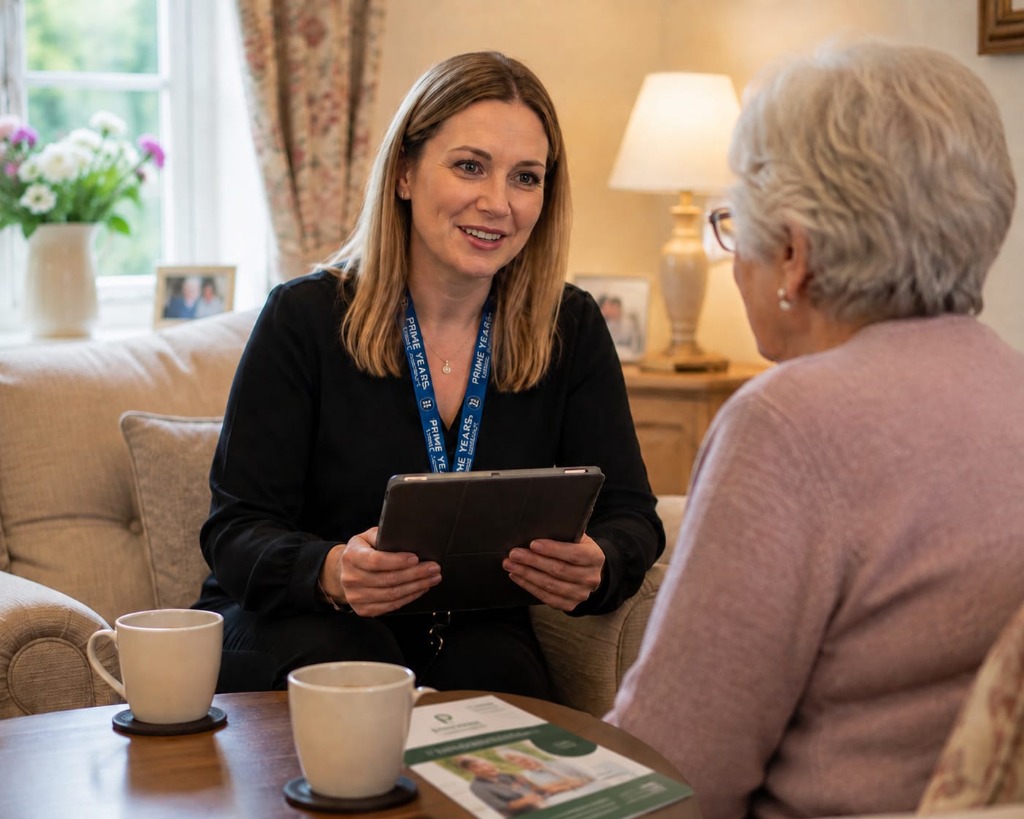
Meet in the comfort of your home to discuss needs, routines and the type of support that would make the biggest difference.
Personalised Care Plan
Receive a personalised care plan with flexible options including home care, overnight care, or live-in care.