
Arthritis Care at Home in Chesterfield & Derbyshire
Living with arthritis can make everyday tasks challenging. Pain, stiffness, and reduced mobility should not prevent you from enjoying home life. Prime Years Care Agency provides compassionate, tailored arthritis home care across Chesterfield and Derbyshire.
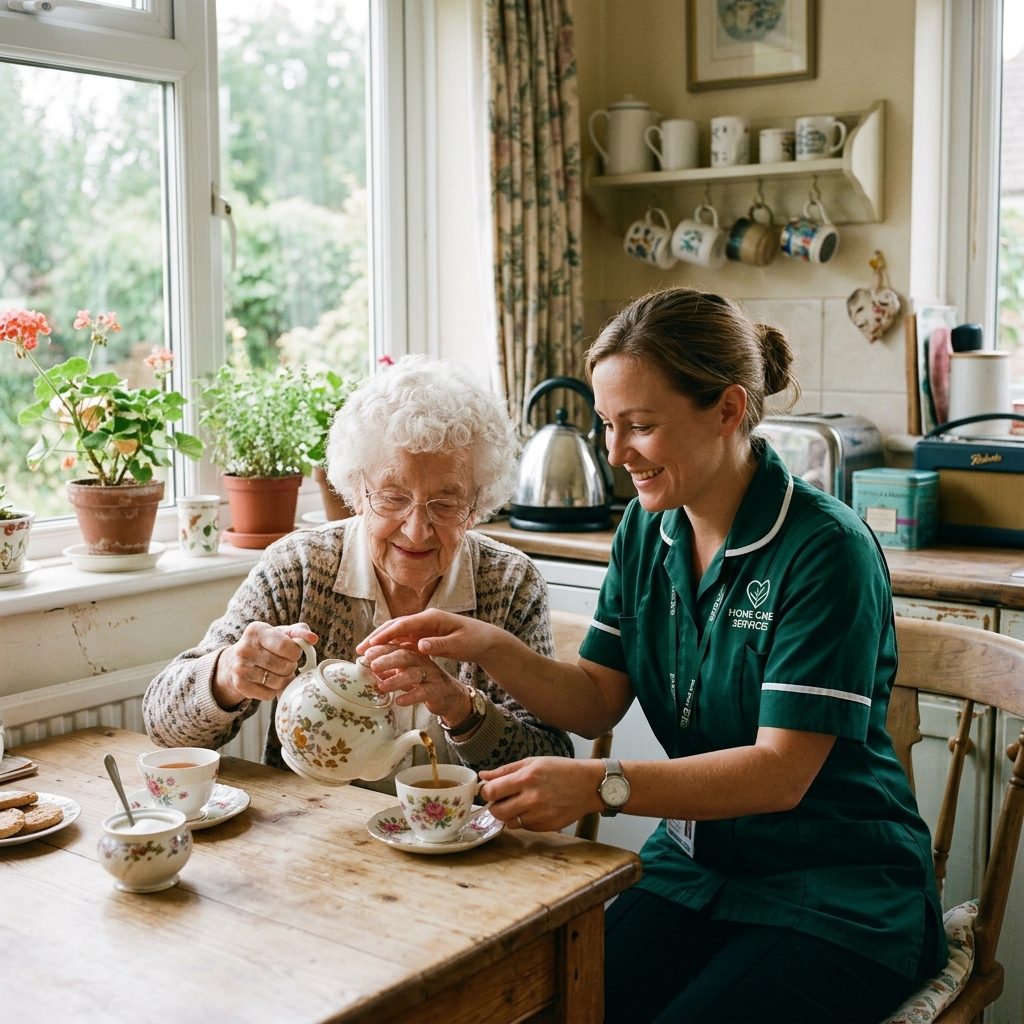
Home Adaptation Tips for Arthritis
Practical ways to make everyday life at home easier, safer and more manageable.
1. Reduce Strain on Joints
Use simple aids and adjust daily tasks to make movements easier and more comfortable.
2. Improve Safety at Home
Make small changes like grab rails, non-slip mats and clear pathways to reduce the risk of falls.
3. Create an Accessible Living Space
Keep frequently used items within easy reach and consider seating, lighting and storage that support your independence.
4. Manage Everyday Tasks
Use practical equipment and adapted tools for activities such as cooking, cleaning and getting dressed.
5. Plan for Rest and Energy
Balance activity with regular rest breaks and set up your home to support a more comfortable routine.
Making Everyday Life Easier
Arthritis can affect strength, grip, mobility, energy and confidence, making everyday tasks around the home more difficult. Small changes to the way a home is arranged, together with appropriate equipment or professional advice where needed, can help make daily routines more manageable while supporting independence.
A home does not need to look clinical to work better. Thoughtful, practical adjustments help you maintain dignity and comfort in familiar surroundings.

Start with the Things That Feel Harder
A useful starting point is to look around the home room by room and notice which everyday activities are becoming awkward, tiring or less safe:
Simple Changes Around the Home
Not every home needs major changes. Sometimes moving an everyday item, clearing a walkway or choosing an easier-to-use household item can make a meaningful difference.
Living Areas
Keep walkways clear, remove loose rugs and trailing cables, and consider supportive chairs with a suitable seat height.
- Keep all main walking pathways wide and unobstructed.
- Firm, supportive armchairs make standing up far easier on knees and hips.
- Position reading lamps and side tables within comfortable arm reach.
Stairs & Entrances
Good lighting, secure handrails and clear steps can make movement safer throughout the home.
- Install sturdy, continuous handrails on both sides of staircases.
- Ensure high-lumen, glare-free lighting at top and bottom landings.
- Keep external doorsteps clean, non-slip, and free from moss or leaves.
Bathroom
Lever taps, suitable non-slip flooring, grab rails, shower seating or raised toilet seats may help where appropriately assessed.
- Quarter-turn lever taps eliminate the painful gripping needed for twist knobs.
- Securely fixed grab rails provide confidence during transfers.
- Non-slip mats and walk-in shower seating reduce standing strain and fall risks.
Kitchen
Keep frequently used items within easy reach. Easy-grip utensils, lighter cookware and easier-to-use appliances may reduce strain.
- Store everyday crockery, mugs, and pans between waist and shoulder height.
- Ergonomic, padded kitchen utensils make food preparation less painful on finger joints.
- Kettle tippers and lightweight cookware reduce the risk of hot liquid spills.
Bedroom
Keep a clear route to the bathroom and place clothing, glasses, medication and other essentials within easy reach.
- Maintain a direct, well-lit path from the bedside to the bathroom at night.
- Place glasses, medication, bedside lamp switch, and phone within direct reach.
- Bed height should allow feet to rest flat on the floor when sitting on the edge.
Lighting & Controls
Make switches, lamps, plugs and heating controls easy to reach and operate without twisting or stretching.
- Rocker switches, plug pulls, or smart plugs minimise awkward finger pinching.
- Thermostat and heating controls should be accessible without bending or reaching.
- Touch-sensitive bedside lamps avoid fiddling with small switch cords.
It's Not About Changing Everything
A home does not need to look clinical to work better. Sometimes the most useful changes are small — moving an everyday item within reach, clearing a walkway, changing how a room is arranged or choosing an easier-to-use household item. Larger adaptations should be considered with appropriate professional advice.
Supporting Independence — Not Taking Over
At Prime Years Care Agency, our focus is on supporting the person rather than taking over. Where appropriate, we can support everyday routines such as personal care, meals, household tasks, shopping, appointments and companionship, while encouraging the person to do as much as they comfortably can.

When Professional Advice May Be Helpful
If arthritis is making everyday activities increasingly difficult, an occupational therapist can assess how someone manages daily tasks and advise on appropriate equipment or home adaptations. The suitability and positioning of adaptations should be professionally assessed where required.
A Simple Approach
Home Adaptation Checklist
Use this checklist as a conversation tool, not as a clinical assessment.

How Prime Years Care Agency Can Help
Arthritis does not have to mean giving up the routines, independence or comforts that make home feel like home. Prime Years Care Agency can provide flexible, person-centred support around the parts of the day that have become more difficult — helping you remain safe, comfortable and as independent as possible in your own home.
Need a Little Extra Support at Home?
We can work alongside families and professionals to help you or your loved one remain comfortable, safe and independent at home. A little extra support can make home life easier.
Contact Prime Years Care Agency to discuss the support that may be right for you.


Important Note
This guide provides practical information about making everyday life at home easier. Prime Years Care Agency does not diagnose arthritis, prescribe treatment or assess the suitability of clinical equipment or structural adaptations. Where professional assessment is required, we encourage individuals and families to seek appropriate advice from relevant health, social care or housing professionals.
Verified Resources & Guidance for Arthritis
Practical everyday advice, including joint protection and making tasks at home easier.
Information on financial help with eligible home adaptations from your local council.
Official step-by-step guidance on applying for a Disabled Facilities Grant through your local council.
Condition information, support networks, and resources for people living with arthritis.
An online self-assessment tool that may help people explore equipment and technology to support daily living.
A detailed overview of possible adaptations and the role of occupational therapy for arthritis.
Speak to our local care team
Frequently Asked Questions
Clear answers about arthritis care and support at home.
Yes. Home care can make everyday tasks easier when pain, stiffness, reduced grip, fatigue, or mobility difficulties begin to affect daily life. Depending on assessed needs, support can include personal care and dressing, meals and hydration, light housekeeping, shopping, companionship, mobility support, and medication reminders.
Arthritis care at home is tailored around the person's routines, abilities, and preferences. Support may include washing and dressing, preparing meals and drinks, light household tasks, shopping and errands, companionship, safe mobility support, and medication reminders. Care can also be arranged around times that are more difficult, such as mornings when stiffness is greater.
Yes. Support can be arranged around the parts of the day when arthritis makes routines more difficult. A Care Worker may help with getting ready, personal care, dressing, breakfast, and other morning tasks, allowing the person more time and reducing the pressure to rush while encouraging them to remain as independent as possible.
Yes. Overnight care may provide reassurance when pain or mobility difficulties affect sleep or make moving around at night harder. Live-in care provides more continuous one-to-one support for people with more complex or ongoing needs. The appropriate option depends on an individual assessment and the level of support required.
Yes. The focus is on supporting the person, not taking over. Care Workers can provide practical help with tasks that have become difficult while encouraging the person to do as much as they comfortably can for themselves. This can help maintain confidence, dignity, and independence at home.
Yes. Arthritis can affect people differently over time, and the level of support needed may change. Care can be reviewed as mobility, pain, fatigue, confidence, or ability to manage everyday activities changes. The aim is to keep support appropriate to the person's circumstances while helping them remain comfortable and independent at home.
Prime Years Care Agency provides practical, non-clinical care and support. Care Workers do not diagnose arthritis, prescribe treatment, or assess the suitability of clinical equipment or structural adaptations. All support is subject to individual assessment, the agreed Care Plan, staff competence, and the scope of the service we can safely provide.
Getting Started is Easy
Arranging support doesn't have to feel overwhelming. We'll guide you through every step at your own pace.

Arrange a Free Consultation
We'll listen, answer your questions, and understand your family's situation without any obligation.

In-Home Care Visit
Meet in the comfort of your home to discuss needs, routines and the type of support that would make the biggest difference.

Personalised Care Plan
Receive a personalised care plan with flexible options including home care, overnight care, or live-in care.